
Irrigation Guide
A well-designed irrigation system is crucial for maintaining a healthy and vibrant lawn or garden. Selecting the appropriate system ensures efficient water usage, promotes plant health, and can lead to significant cost savings over time. However, with various options available, choosing the right irrigation system can be a daunting task.
For over 20 years, we at Grow with the Flow have been a trusted provider of irrigation solutions in San Antonio and the surrounding areas.
We specialize in efficient water use for lush, healthy lawns, and offer a range of services tailored to both residential and commercial properties.
Our expertise encompasses not only irrigation systems but also backflow prevention, landscaping, and landscape lighting, ensuring comprehensive care for your outdoor spaces.
In this guide, we’ll explore the key factors to consider when selecting an irrigation system, helping you make an informed decision that aligns with your landscape’s unique needs.
We Provide All Solutions under one Roof
Call us today for a free estimate! (210) 633-6889
How to Choose the Right Irrigation System for Your Lawn or Garden
Key Factors to Consider:
-
- Lawn vs. Garden Needs: Lawns generally require 1 to 1.5 inches of water per week, while drought-tolerant plants may need far less
- Soil Type:
- Clay soil (common in San Antonio) retains water longer but drains poorly.
- Sandy soil drains too quickly, requiring more frequent watering.
- Loamy soil is the most balanced and retains adequate moisture.
- Sun Exposure: Areas with full sun exposure require more frequent watering compared to shaded zones.

Best Practices for San Antonio
-
- Use drought-tolerant, native plants such as Texas Sage and Red Yucca, which require minimal watering
- Install soil moisture sensors to prevent over watering.
Understanding Your Landscape’s Water Needs
San Antonio’s climate presents unique challenges when it comes to lawn and garden irrigation. With hot summers and sporadic rainfall, efficient water management is essential.
In fact, San Antonio receives an average of 32.5 inches of rain annually, but the uneven distribution of precipitation means irrigation is necessary to maintain a healthy landscape (Source: National Weather Service).
Factors to Consider When Choosing an Irrigation System
-
- Size and Layout of Your Property – Large yards benefit from sprinkler systems, whereas small or irregular spaces are better suited for drip irrigation.
- Water Efficiency Goals – Drip irrigation is the most water-efficient system because it delivers water directly to the roots, preventing waste.
- Budget and Installation & Costs
Types of Irrigation Systems
There is no one-size-fits-all approach when it comes to irrigation systems. Below is a breakdown of the most common options:

Maintenance Requirements
-
- Sprinklers need regular cleaning to prevent clogging.
- Drip systems require occasional flushing and filter checks.
- Smart systems may need firmware updates but require minimal hands-on maintenance.

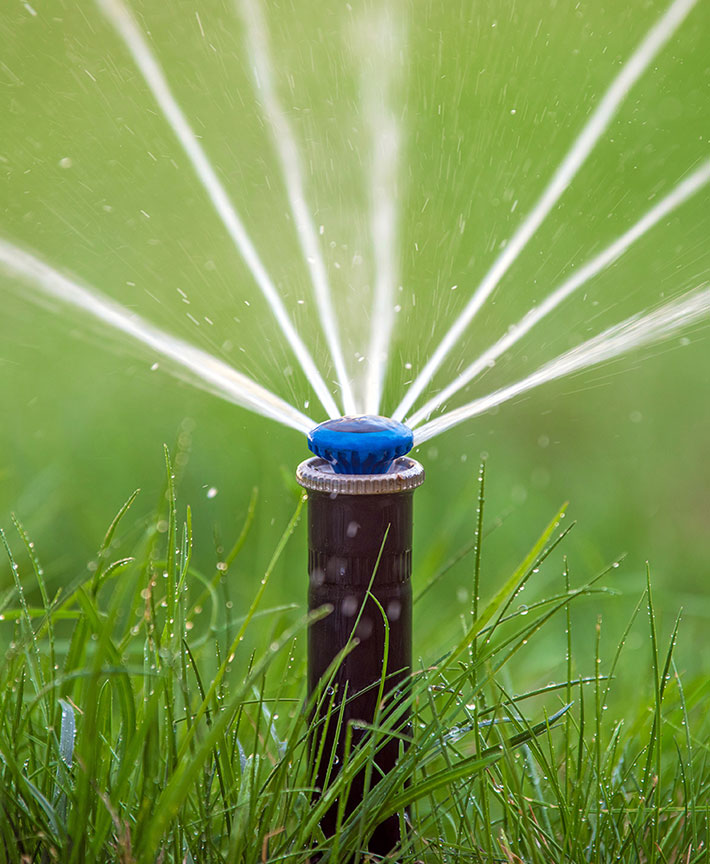
Sprinkler Systems
- Best for: Large lawns, uniform watering.
- Pros: Covers large areas, easy to automate.
- Cons: High water loss due to evaporation, wind interference.
- Cost: $0.20 – $1.00 Average Cost per Sq. Ft. (Source: HomeAdvisor 2024)

Drip Irrigation
- Best for: Gardens, flower beds, trees.
- Pros: Uses 30-50% less water than traditional sprinklers (Source: EPA), reduces evaporation, prevents runoff.
- Cons: Requires periodic maintenance to prevent clogging.
- Cost: $0.50 – $3.00 Average Cost per Sq. Ft. (Source: HomeAdvisor 2024)

Soaker Hoses
- Best for: Deep-root watering, vegetable gardens.
- Pros: Affordable, simple to install, minimizes water waste.
- Cons: Less control over water distribution compared to drip irrigation.
- Cost: $0.10 – $0.50 Average Cost per Sq. Ft. (Source: HomeAdvisor 2024)

Smart Irrigation Systems
- Best for: High-efficiency, automated watering.
- Pros: Uses weather-based sensors to adjust watering schedules, can reduce water usage by up to 30% (Source: Texas Water Development Board).
- Cons: Higher upfront cost but long-term savings.
- Cost: $500 – $2,000 Average Cost per Sq. Ft. (Source: HomeAdvisor 2024)

Smart Technology in Irrigation: Is It Worth It?
San Antonio’s water conservation efforts include rebates for residents who install WaterSense-certified smart irrigation systems (Source: SAWS). Benefits include:
-
- Automated watering schedules based on weather patterns.
- Soil moisture detection to prevent over watering.
- Remote access via smartphone apps.
- Best Practice for San Antonio: Utilize smart controllers to comply with the city’s irrigation restrictions while keeping landscapes healthy.
Final Tips for Choosing the Best Irrigation System
-
- Assess your landscape’s needs first—lawn, soil type, and sun exposure all play a role.
- Invest in a smart system if you want long-term savings and automated efficiency.
- Perform routine maintenance to extend the lifespan of your irrigation system.
- Consider San Antonio’s water conservation efforts when planning your irrigation strategy.
Choosing the right irrigation system ensures that your lawn and garden stay healthy while keeping your water bill low. Whether you opt for a smart irrigation system, drip irrigation, or a traditional sprinkler setup, the key is efficiency and sustainability.
For expert advice on irrigation system installation and maintenance in San Antonio, Texas, contact Grow with the Flow today! Our experienced team specializes in designing water-efficient irrigation solutions tailored to your landscape’s needs.
💦 Get started today and save water while keeping your landscape lush and thriving! 💦